.svg?v=133333626955077491221771076156)


Blog
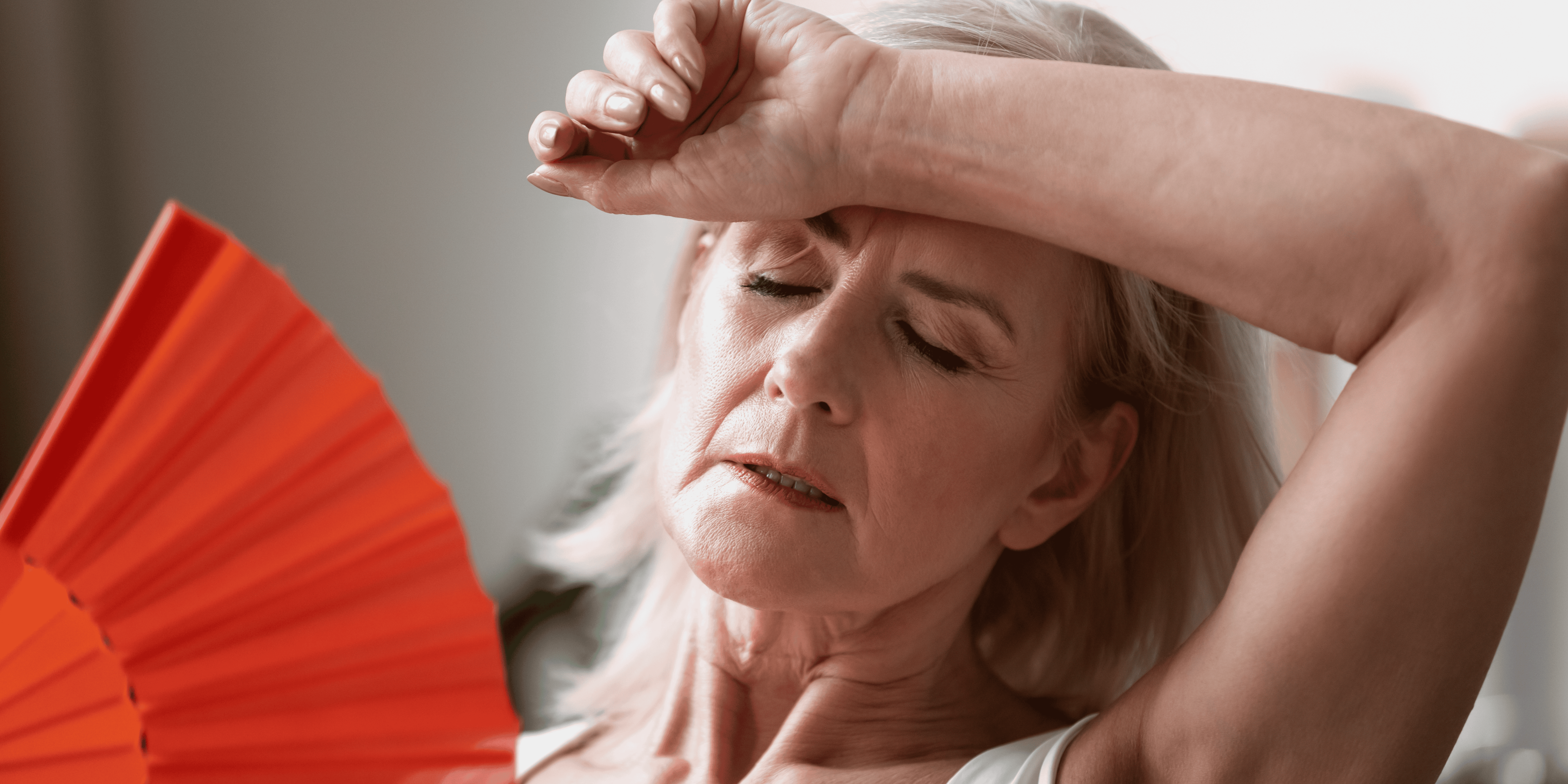

Anxious feelings before your period, here's what you can do about it
Many of you indicate that you sometimes experience feelings of anxiety. Often, the cause of this is hormonal, but that link is not always made immediately. For example, in the days before we get our period, we can experience a rollercoaster of feelings and emotions. This can be due to an imbalance in the hormones estrogen and progesterone . Before you get your period, your estrogen level drops, and sometimes the ratio between your estrogens and progesterone is disrupted, which can lead to unpleasant symptoms that may cause you to feel anxious or more depressed. Unfortunately, I hear this every day from women who approach me. Often, they just say that being a woman is no fun and that this is all just part of the deal. But... That really doesn't have to be the case! Okay, it is perfectly fine to have a slump or a bad day every now and then; we are all human. But when anxious feelings start to take over and you are really suffering from them, that is incredibly annoying. I can help you get these hormones back in balance. And you will see: fortunately, something can be done about those anxious feelings! In this blog, I give you 7 natural tips to help you reduce or completely prevent anxious feelings. 1. The right diet helps to lower estrogen and progesterone Examples of good foods include: Regularly eating cruciferous vegetables such as boiled or steamed broccoli, cauliflower, and Brussels sprouts. Because these help support your estrogen metabolism. In any case, I recommend eating plenty of vegetables for the vitamins and minerals, but also for the fiber, as this helps reduce excess estrogen. It is also important to eat foods rich in B6, such as eggs, fish, oats, and legumes, to support both estrogen and progesterone levels. But also consider vitamin C, which is a useful nutrient for optimal progesterone levels and for supporting the adrenal glands. You can find it in leafy greens, kale, kiwis, and lemons. 2. Being in nature helps with stress Spending time in nature can reduce feelings of anxiety. Even just 20 minutes in nature can drastically lower your stress levels and help you create a positive mental outlook. 3. Supplementation: magnesium Magnesium is an important mineral for us that is involved in many physical and mental processes. Our body consumes a lot of magnesium, especially during busy periods. This makes daily support often desirable. Foods rich in magnesium include very dark chocolate, avocado, leafy greens, nuts, and seeds. Most people do not get enough magnesium through their diet, and therefore supplementation may be necessary. 4. Social contacts during anxious feelings The hormone oxytocin, also known as the love hormone, is a powerful chemical that is released, among other things, when we have skin-to-skin contact. So, for example, when giving a nice hug. We also produce it when we have sexual intercourse, or when we feel happy in our social circles. Having positive connections with people is very important for us women and leads to more oxytocin. Oxytocin triggers serotonin, and this makes us feel happy. So my advice is: Cuddle away with your loved one and/or children or pet. That lowers our stress level. 5. Stress intensifies anxious feelings Of course, this is easier said than done. Stress and anxiety are connected. So, if you can reduce your anxiety, you automatically do the same with your stress level. Anything you do to minimize the production of stress hormones will also make anxiety less of an issue. Yoga, mindfulness, or good communication with people you love can lower your stress. 6. A good sleep routine helps to reduce those anxious feelings Speaking of sleep: most of us will experience more anxious feelings if we haven't slept enough. During the night, cortisol is supposed to decrease while melatonin increases. Protecting your circadian rhythm is incredibly powerful for creating balanced hormones. Sleeping well and enough (preferably 8 hours) is a must to keep those anxious feelings under control. 7. Adaptogenic herbs for anxious feelings Adaptogens are a group of herbs known for their ability to reduce stress and improve adrenal function. Our adrenal and ovarian functions are closely interconnected. When your body experiences stress, the brain can send a signal to the glands to produce stress hormones and lower progesterone production. This is an adaptive mechanism designed to help you survive, but it can also lead to feelings of anxiety about your period. Examples of effective adaptogenic herbs are: Rhodiola , Ashwagandha, Schisandra , Tulsi , Reishi mushroom, Cordyceps, and Maca.
Learn more
Contraception: everything you need to know about it
Vivian… " Should I go on the pill or not, or which contraception do you recommend? Or I would like to stop taking the pill, but I am afraid of all the symptoms coming back." Well, these are just a few examples of the questions and reactions we received following our newsletter about the pill. For that reason, we would like to provide you with some more information. Women who have been following me for a while know that I am not much of a fan of the pill myself. In this article, I will briefly explain why. And afterwards, we will delve deeper into other forms of contraception methods and coming off the pill. We list the pros and cons of all methods of contraception. I sincerely hope this helps you determine what suits you best. Because ultimately, that is the most important thing: listening to your body. We are all different, and it is about choosing a method that suits you and does justice to your body and your hormonal balance. The pill as contraception First of all, of course, there is the pill. Simply put, the pill prevents your egg from being released and makes it more difficult for sperm to pass through your cervix. You still have your period as usual every month. You take the pill for three weeks, and your period occurs during the break week. If you are considering taking the pill, you can work with your GP to determine which pill suits you best. But what are the pros and cons of the pill? Benefits of the pill - The main advantage is convenience: you take a pill every day and the chance of getting pregnant is really very small (out of a thousand women, fewer than five per year get pregnant despite taking the pill). - You can play around a bit with the week in which you get your period. For example, if you have a long-distance trip planned, you can choose to take the pill continuously. Disadvantages of the pill Over the years, some disadvantages of the pill have also surfaced. The main side effects of the pill are really severe; many women struggle with headaches, low libido, depressive feelings, weight gain, flat emotions, and/or no longer feeling truly vital and happy. - Because the pill negatively affects your thyroid, it is, among other things, more difficult to lose weight. In addition, the pill can also cause quite a few deficiencies. Think of deficiencies in B vitamins, including folic acid and B12, vitamin E, magnesium, selenium, and zinc. And these are precisely so important for your immune system, the functioning of your hormones, and your (mental) vitality. - The liver also has a hard time processing the pill for years. The liver has to detoxify very hard when you take the pill. And the liver plays a major role in how good you feel! Moreover – and I consider this a really important point – your cycle is maintained artificially with synthetic hormones. You no longer have your own natural cycle with ovulation. You also effectively no longer have a period, but only a withdrawal bleeding. As a result, you no longer know where you stand hormonally. That has become an artificial process. I consider that perhaps the most significant disadvantage of the pill. Abuse of the pill Incidentally, the pill is often 'misused'. Women frequently turn to their GP with questions such as: “I suffer from mood swings, I feel so depressed before my period, I have heavy or painful periods, swollen breasts and food cravings, or I just feel like my hormones are out of balance, which makes me feel uncomfortable in my own skin. What can I do?” Now I know that GPs will often recommend the pill in that case. And yes, these hormonal complaints often disappear. Because instead of hormonal complaints, those annoying pill side effects I mentioned above can occur. Know that lifestyle adjustments can help you here if you prefer not to take the pill (anymore) to tackle hormonal issues around your cycle. Especially after reading all the downsides, I can imagine you are having doubts. Pill reduction program And that is why I have developed a very short program called "Healthy Pill Reduction" With my short ' Healthy Coming Off the Pill' program, I am going to help you with "my pill detox" method. To help you get back into your normal rhythm after stopping the pill, and to relieve you of those annoying symptoms. So that your cycle fully recovers, and you do too. And don't worry, it is not a complicated program that takes up a lot of your time. In 1.5 hours, you will know exactly what to do. If you stop using the pill after months or years, your body needs time to get this going again on its own. And this recovery period can sometimes be quite tough if you don't know what to do about it. This phase is called 'coming off the pill,' and for many women, it causes unpleasant symptoms such as these: ✔️ You get acne again, your skin becomes irritated again ✔️Your period is delayed or very irregular ✔️You will experience hair loss ✔️Your mood doesn't improve either, the well-known mood swings ✔️Or you suddenly get a very heavy period ✔️You feel more tired than normal Do you recognize this? It can be different with my stopping the pill method. Then this short program is for you. You can read all about it here . Other forms of contraception Besides the pill, there are many other forms of contraception. Below, I share all the pros and cons of these forms of contraception so that you can make the best choice for you! Hormonal IUD as a method of contraception A hormonal IUD looks like a small anchor; it is made of plastic and is inserted into your uterus by a doctor. Mirena is the best-known hormonal IUD. The IUD releases a small amount of the hormone progestogen every day. The chance of becoming pregnant is about the same as with the pill. So, not high. Benefits of the hormonal IUD - You won't have to think about anything for five or six years. - Far fewer hormones enter your bloodstream than with the pill. - You lose less blood during your period, and it is even possible that you will stop having periods altogether. If you have the IUD removed, you will be back in your own monthly hormonal rhythm quite quickly. Disadvantages of the hormonal IUD -The IUD slightly increases the stress hormone cortisol. Some women notice this, feel agitated as a result, or experience a feeling of brain fog. - Sometimes you lose blood at unexpected moments. - You cannot postpone your period, like you can with the pill. - Thuisarts.nl also mentions some side effects, such as headache, pimples, hair loss, mild depression, and increased vaginal discharge. Copper IUD as contraception This is the IUD that I use myself and am fully satisfied with. This one also looks like a small anchor and is likewise made of plastic. However, here there is a thin copper wire wrapped around the IUD. A copper IUD is inserted by the GP. A copper IUD does not release hormones. The chance of getting pregnant is about the same as with the pill. So, not high. Advantages of the copper IUD - You won't have to think about anything for five to ten years. - It is – together with a condom – the safest option for your hormone balance. You simply maintain your normal, monthly hormonal cycle. I think that is a really big advantage. Above, regarding the pill, I explained why I am not a fan of artificially maintaining the hormonal cycle. Disadvantages of the copper IUD Personally, I haven't had any problems (yet), but it is possible that after the insertion of the copper IUD, your period lasts longer and you experience more blood loss and pain. And many women do experience heavier bleeding. So if you are sensitive to that, I would not recommend the copper IUD. Daysy as contraception Although I have a copper IUD myself, I am also a big fan of the Daysy. With it, you can very simply and accurately distinguish between your fertile and infertile days within your natural menstrual cycle. You measure your body temperature daily, and in combination with information about your menstrual days, Daysy immediately shows you whether you are having a fertile or infertile day. Daysy is 99.4% accurate in distinguishing between fertile and infertile days. Benefits of Daysy Just like with a copper IUD, with the Daysy you retain your own hormonal cycle; you do not suppress your ovulation or menstruation and maintain your own hormonal cycle. Disadvantages of Daysy You do have to measure your body temperature daily. Just like the pill, that requires a bit of discipline. I find this to be too sensitive a method for young people. I would not recommend this for teenagers because it is sometimes difficult to be consistent with it during puberty. Your choice for contraception I hope you find this overview helpful and that you can make a good choice that suits you. And by now, you also know why I don't see the pill as *the* solution for contraception. Now, I'm not vehemently against the pill, mind you, and perhaps you are one of the women who says: “I actually feel great because of the pill.” And that is of course wonderful, but many women struggle with the downsides of the pill. But as I said, the pill is also often prescribed by GPs to reduce (pre)menstrual symptoms. And in that case, I really do NOT consider the pill the solution. Because did you know that PMS symptoms can be reversed? I can help you get your hormones back on track in no time after stopping the pill. Have you been thinking for months about working on your hormones, or do you want to stop taking the pill? Then join this new program ' Healthy Pill Reduction, How Do You Do That? ' To help you get back into your normal rhythm after stopping the pill. And relieve you of those annoying symptoms.
Learn more
The pill: why it is not the solution for hormone balance
Our hormones can really drive us crazy sometimes, can't they? One day we feel “on top of the world,” and the next day down, tired, irritable, have a bloated stomach, suffer from cravings, or just don't feel like doing anything. Do you recognize this? The pill is often recommended in such cases. Many women regularly turn to their GP with questions such as: "I suffer from mood swings, I feel so depressed before my period, I have heavy or painful periods, swollen breasts, food cravings, or simply the feeling that my hormones are out of balance and I don't feel comfortable in my own skin because of it. What can I do?" Whether you are a teenager or over 35, you often get the same answer from the GP: "Just go on the pill!" Personally, I am not always a fan of the pill. Side effects of the pill: feeling 'down' and binge eating Experience shows that many women actually experience many side effects from the pill, such as: headaches, low libido, depressive feelings, weight gain, flat emotions, and no longer feeling truly vital and happy. While you hoped it would actually help and provide peace. Deficiencies caused by the pill And did you know that, in addition to quite a few side effects, the pill can also cause significant deficiencies? Think of B vitamins, vitamin E, magnesium, selenium, and zinc. And these are precisely what are oh... so important for your immune system and your (mental) vitality. It is therefore important to eat plenty of vegetables, fruit, and nuts, but eggs, fatty fish, and poultry also contribute to replenishing these deficiencies. What we definitely recommend when you are on the pill: Take a good (liposomal) multivitamin containing B vitamins, vitamin E, selenium, and zinc. Additionally, it is also very important to supplement magnesium while taking the pill. Using the pill lowers magnesium levels in the blood and can cause a deficiency of this essential mineral. Even better: the Healthy Start Selection containing a multivitamin, omega-3, magnesium, and vitamin D3/K2. This way, you immediately replenish all essential nutrients. The liver is taking a heavy toll. The liver also has a hard time processing the pill for years. The liver has to detoxify very hard when you take the pill. And the liver plays a major role in how good you feel! Want to give your liver a boost? You can with this liver love smoothie . The pill blocks your natural cycle and thyroid. Did you know that if you menstruate while on the pill, it is not a real period, but a withdrawal bleeding? Furthermore, the pill blocks your thyroid, which is why, among other things, it is more difficult to lose weight. The pill also causes a deficiency in vitamin B12 and folic acid. Do you want to get pregnant? Then take B12 with folic acid if you have been taking the pill for a long time. Ideally, you should start taking folic acid a year before you stop taking the pill because you want to conceive. This vitamin B12 also contains sufficient folic acid. Your hormones are out of balance due to the pill, so you get an unnatural cycle. It is not surprising that you can experience side effects from the pill. After all, you get an unnatural cycle. Your hormonal balance is suddenly that of the pill, and not your own biorhythm. Your natural hormone production decreases. Because the pill tells your hypothalamus (a part of the brain): "just stop producing." And this has consequences for all processes in the body. The pill is not always the solution I am not vehemently against the pill, mind you; perhaps you are one of those women who says, "I actually feel great because of the pill." I am naturally very happy for you about that. And perhaps this email is not relevant to you. But most women struggle with hormonal issues due to the pill. But... also without the pill. So… HELP, what now, you might be thinking? If you are struggling with the above symptoms even without using the contraceptive pill, it means there is more going on with your body. You are simply hormonally out of balance. And that always has a specific cause. That cause is different for everyone. And did you know that almost all hormonal complaints can be remedied? I can help you get your hormones back on track in no time. There is no magic pill for this, but the combination of a hormone-friendly lifestyle supplemented with the right supplements makes all the difference. Have you been thinking for months about working on your hormones, or do you want to stop taking the pill? Perhaps you have already bought my books, but are still struggling to really get started because you don't know how to put it all into practice. And can't you just figure out where your symptoms are coming from? Then my program ' the Viv Hormone Restoration Method ' is right for you. The method that will truly help you get rid of your hormonal complaints. Because you no longer have to suffer from your hormonal issues... Fortunately, something really can be done about it! Thousands of women have gone before you. Read for yourself what others achieved with the Viv Method. don't feel like doing anything. There are always plenty of reasons not to do it. But what if you did? How would that change your life? Your health is the foundation of everything in your life. If you don't feel 100% fit, it has an impact on everything. I sincerely hope you allow yourself to feel fit, healthy, and energetic. Because you deserve it. Just like every woman deserves it!
Learn more
A head of hair, beautiful and shiny hair comes from within.
Dull, lifeless hair, a ponytail that is becoming less and less full… Well, both men and women struggle with hair loss, but the difference between men and women is very clearly present here. While men often struggle with a receding hairline or a bald spot on top of the head, women tend to deal more with diffuse hair loss. In other words, women's hair becomes thinner overall . And consequently, often less shiny as well. In this blog, you will read everything you can do to regain a beautiful, shiny head of hair. The main causes of thinning hair Below, we give you a brief overview of the main reasons for thinning, duller hair, so that you will know exactly what the cause is in your case. And, of course, what you can do about it. 1. Reduce and avoid stress for your beautiful hair Anyone familiar with my books or programs knows this: stress is the biggest disruptor of your hormonal balance. At its core, stress is about survival, and your body drops everything to fight or flee. Consequently, the thyroid hormone is also put on hold. And this hormone is intended, among other things, for the daily care of your body. As a result of high stress, you often notice this first in the poorer quality of your skin (drier), nails (breaking), and hair, which becomes thinner and dull. 2. Your hair also needs important vitamins and minerals. The second important reason is our diet, which often contains insufficient healthy fats, proteins, vitamins, and minerals. And in fact, it is simple: if you do not get those nutrients, your hair cannot be adequately cared for from the inside out. We often buy expensive creams and shampoos for our hair, but real care actually starts from within. With the right nutrients. And don't forget, unhealthy food is also stressful for your body, and that negatively affects your thyroid hormone. So, you are essentially getting hit twice. Now, an unhealthy diet high in sugars and carbohydrates also causes a disruption of another hormone: insulin, the hormone that regulates your blood sugar level. This can lead to insulin resistance , and that also negatively affects your hair. We won't go into too much detail here, but it boils down to the fact that too much insulin in your blood stimulates a specific enzyme, 5-alpha-reductase, which in turn is responsible for converting testosterone into a stronger form called DHT. And unfortunately, this DHT reduces your hair quality, while it does, for example, promote hair growth on the rest of your body. This hormone can also cause male pattern baldness, and therefore also in women. This plays a role, for example, in PCOS, (severe) obesity, and metabolic syndrome. 3. Perimenopause and hair Finally, I would like to specifically highlight perimenopause, as many women who follow me are in this phase of their lives. During this time, there is a decrease in the hormone progesterone, and this too can lead to an increase in the enzyme 5-alpha-reductase and thus to stronger DHT. What you can do for beautiful, shiny hair Well, first of all, of course: ensure there isn't too much stress in your life, if at all possible. That supports the functioning of your thyroid and ultimately has a positive influence on your hair. Continue eating healthily, with sufficient nutrients to care for your hair from within. In other words: ensure your diet contains enough healthy fats, proteins, vitamins, and minerals. Thirdly: ensure a stable blood sugar level. It often helps to eliminate fast carbohydrates and sugars from your diet and eat less frequently throughout the day. Instead of 6 to 8 meals a day, you eat only 2 to 3 times, also known as intermittent fasting. To determine if you suffer from insulin resistance, you can ask yourself the question: can I easily skip a meal, or do I become grumpy? In other words: do I experience a blood sugar dip, and do I *have* to eat something to combat that dip? If you answer yes to that question, there is a good chance that you are struggling with insulin resistance. Support the decline in progesterone by following the tips above. The stress hormone cortisol, for example, shares the same basal hormone as progesterone. So now you understand even more clearly how important it is to 'manage' your stress, because otherwise there will be too little building block left to produce progesterone. This is not ideal if you are in (peri)menopause and progesterone is already declining. You might be curious about which nutrients I am specifically referring to to support your hair. This concerns vitamins B2, B8, B11, B12, and C, the minerals zinc and selenium, and the omega-3 fatty acids and the omega-6 fatty acid GLA. You can get some of this from your diet, and for the rest, a natural supplement is recommended. And guess what ? I have a great supplement in my range. Hair Support for a beautiful, shiny head of hair This supplement contains important herbs, vitamins, and minerals that support your hair, skin, and nails, namely, in addition to the mentioned vitamins and minerals (vitamins B2, B8, B11, B12, C, and selenium), also two wonderful herbs: saw palmetto extract and horsetail. You might be feeling overwhelmed by all the information in this blog. Do you want to know more or get started yourself? I would be happy to give you a few tips: If you want to work on a healthy lifestyle, without blood sugar dips and with a healthy weight, I would like to draw your attention to my online program . Are you in? That really is the best way to adjust your eating and lifestyle habits. And to get a healthy head of hair again, of course if you are at risk of losing it. Because really, that hair loss doesn't have to happen! Are you a bookworm? Then be sure to also read my books Restore Your Hormones in Ten Steps or Restore Your Weight. In these books, I explain in detail the ins and outs of insulin resistance, intermittent fasting, and the influence of stress on our thyroid hormone. I wish you to be, remain, or become the best version of yourself again with a beautiful, shiny head of hair. Isn't that what we women all want?
Learn more
Stopping the pill healthily: here's how to do it
How do you stop taking the pill in a healthy way? I have received this question so often in my DMs or inbox over the past few years. Perhaps you are also fed up with all the annoying side effects of the pill right now and are considering stopping. In this blog, I will teach you how to stop taking the pill in a healthy way. Side effects and complaints of stopping the pill For some women, stopping the pill is a relief, while for others it takes some getting used to. Sometimes old symptoms resurface, such as acne or mood swings, or you may experience heavy periods again, or your cycle may be slow to get back on track. And especially if you want to have children, this can sometimes cause real stress. If you stop taking the pill after using it for a long time, it takes a while to find a normal rhythm again. When you receive a daily dose of synthetic hormones for years, this suppresses natural production; we also call this your HPG axis (your gonadal axis). If this does not function properly, unpleasant symptoms arise. Furthermore, the pill causes significant vitamin and mineral deficiencies and affects other hormone glands as well. So I fully understand why you want to stop taking it at some point. Symptoms of stopping the pill But if you stop using the pill after months or years, your body needs time to get this going again on its own. And this recovery period can sometimes be quite tough if you don't know what to do about it. This phase is called 'coming off the pill', and for many women, it causes unpleasant symptoms: ❌You are getting acne again, your skin is becoming irritated again ❌Your period is delayed or very irregular You will experience hair loss ❌Your mood doesn't improve either, the well-known mood swings Or you suddenly get a very heavy period You feel more tired than usual Stopping the pill: how long does it take? It is difficult to say how long it takes to stop taking the pill. Every woman is unique, and for some, the process of restarting their natural bodies goes much faster than for others. I have seen women who felt good in their natural cycle again within a few weeks. For other women, it took quite a bit longer. But... don't worry: no matter how long it takes, I will help you through this process. Healthy pill reduction with my pill reduction method With my short ' Healthy Pill Stopping' program, I will help you with my 'detox the pill' method. To help you get back into your normal rhythm after stopping the pill, AND to relieve you of those annoying symptoms. So that your cycle fully recovers, and so do you! And don't worry, it is not a complicated program that takes up a lot of your time. In 1.5 hours, you will know exactly what to do. In this program you will learn: - Why you might want to stop taking the pill at some point. Everything about the effects and side effects of the pill. - Which essential deficiencies you can develop from using the pill and how you can replenish these deficiencies - The most important steps to help you reduce your "stopping the pill" symptoms - How to get back into your normal rhythm when you stop taking the pill - How you can stimulate and start your cycle yourself - What you should and shouldn't eat to reduce your symptoms - How you can support your liver to help detoxify years of pill use - How you regain control of your body in a few weeks. Have you been thinking for months about working on your hormones, or do you want to stop taking the pill? Then join ' Healthy Stopping the Pill, How Do You Do That? ' to help you get back into your normal rhythm after stopping the pill and relieve you of those annoying symptoms.
Learn more
Less stress with this simple tip
How simple can it be? Spend more time in nature to improve your (mental) health and experience less stress. It is a simple act that is not only 'just' healthy, but can even help shorten the endless waiting lists for mental healthcare in the short term, according to scientists in a news report by RTL News . Contact with nature has a particularly stress-reducing effect, meaning you experience less stress. Additionally, it offers relief, including for psychological complaints, they say. Stress is simply disastrous. In short, it can lead to both mental and physical health problems, because your stress hormone cortisol takes precedence over other hormones, such as your thyroid hormone and sex hormones. With all the consequences that entails. Hair loss, depressive feelings, weight gain, constant fatigue… to name just a few common complaints. In my online programs and books , I therefore emphasize the importance of managing your stress levels. Less stress helps your hormonal balance and, consequently, your overall health. After all, those hormones form the foundation for everything to function properly, both physically and mentally. "It’s always those hormones," I often exclaim. Nature can play a major role in reducing stress. I take a walk in the woods with my dog every day and experience firsthand how relaxing and wonderful it is. I think it is great that this news report from RTL News is now also paying attention to it. It also features various researchers who explain how nature can offer relief. For instance, a researcher from Wageningen University (WUR) indicates that studies show that contact with nature actually influences your stress levels. Additionally, psychologist Irina Pleacov explains how she encourages her clients to go outside. "A walk pays off a lot. It lowers your stress hormones, heart rate, and blood pressure, and also reduces the risk of obesity. I really think that waiting lists in mental healthcare could be shortened if we went into nature more often." Well, I completely agree. Really, by all means go outside, into the woods, onto the beach. Anywhere, but above all, seek out nature in your neighborhood as often as possible. Feel the fresh breeze on your face, consciously inhale the natural scents, and let the sun shine on your skin. And experience how this can help you experience less stress. A walk can also be an instant mindful moment: by walking with all your senses heightened, you remain primarily in the here and now during your walk. You let your thoughts pass you by as much as possible for a while. In this way, it can be a tremendous physical and mental recharge. Personally, I find that my walks in the woods make me creative and give me the energy to get back to work with full force afterwards. What else you can do for less stress Could you use some help relaxing? In my shop, I have a wonderful supplement: Relax Support . This supplement contains a number of lovely herbs that support you during busy times. And yes, as women, we are simply often busy. Work, sports, partner, family, social calendar… it often just goes on and on. I wish you the ability to keep doing everything you want, but in a relaxed, happy, and energetic way. Nature can lend you a hand with this, and naturally, I am happy to support you as well.
Learn more
Oxytocin: why this is my favorite hormone
In this blog, I will tell you everything about oxytocin and why it is my favorite hormone. The hormone oxytocin, also known as the cuddle or love hormone, is a powerful chemical that is released, among other things, when we have skin-to-skin contact. And how wonderful is that! Oxytocin as a neurotransmitter Oxytocin is therefore not only a hormone, but also a neurotransmitter. It is released when we feel good about ourselves, for example when giving a nice hug. We produce it when we have sexual intercourse, or when we feel happy in our social circles. Oxytocin triggers serotonin, which makes us feel happy. This happiness hormone, serotonin, inhibits the production of the stress hormone cortisol. This means that feelings of stress, sadness, anxiety, restlessness, and depression are reduced when you produce oxytocin! So my advice is: cuddle away with your loved one and/or children or pet! Lower stress levels even more with the Relax Support Do you still feel stressed after cuddling, or could you simply use some more relaxation? Then I can recommend Relax Support . The supplement with ingredients that help you relax more. And this supplement helps you sleep well and wake up rested. Win-win!
Learn more
Vitamin D is number 1
When women ask me: “I only want to take one pill a day. Which pill should I take?” I immediately exclaim without hesitation: “Vitamin D!” Because it is truly essential. Why is this vitamin absolutely number 1 for me? That is because vitamin D is involved in so many processes in the body. Vitamin D deficiency makes you tired, susceptible to disease, osteoporosis, and muscle weakness, to name just a few things. In this blog, all the ins and outs of vitamin D. A hormone-like substance Vitamin D is one of the few vitamins that the body can produce itself. We produce vitamin D primarily under the influence of ultraviolet (UV) radiation from sunlight. For this reason, it might be better to call vitamin D a hormone-like substance. For humans, the most important forms are vitamin D2 and D3. Incidentally, vitamin D—just like other vitamins—is also present in small amounts in our diet. D2 is found in yeast, cheese, and certain mushrooms, and D3 is found in some foods of animal origin, such as fatty fish, eggs, and cod liver oil. Vitamin D is a special substance that exerts its effect as soon as it is converted into its active form in your body: the hormone calcitriol. Vitamin D itself therefore has no hormonal activity, but it is an important component for the production of this hormone. Then you immediately understand why I consider vitamin D so incredibly important. As you know, I often say: everything revolves around our hormones! And that applies once again to this important substance! In this blog, by the way, we will continue to talk about vitamin D, and by that we mean the active form: calcitriol <1>. Involved in virtually all processes Vitamin D is involved in many processes in the body that are essential for good health. Many health claims are known about vitamin D – this means that these concern scientifically proven effects. The most important health claims are: Vitamin D ensures the maintenance of strong bones and teeth Vitamin D plays a role in the bone formation of children Vitamin D contributes to normal calcium levels in the blood. Vitamin D supports the body's immune system. Vitamin D helps the immune system Vitamin D is good for the muscles Vitamin D contributes to the production of cells and tissues. As you can see above, the most important functions of vitamin D involve regulating calcium metabolism (for the attentive reader: the word 'calcium' is hidden in calcitriol). Vitamin D plays a role in bone mineralization (bone formation) by aiding in the absorption of the minerals calcium and phosphorus into the bones and teeth. Furthermore, vitamin D is responsible for muscle contraction, nerve impulse conduction, and – more generally speaking – the optimal functioning of all cells in your body. The fact that vitamin D receptors are present on more than thirty different types of cells and tissues suggests that vitamin D has a very broad scope of action. One might even wonder what vitamin D is not involved in <2>. The role of our evolution and the sun's power As mentioned, the sun is by far the most important source for vitamin D production. We are very capable of producing vitamin D in the skin under the influence of UV-B (ultraviolet) radiation from sunlight. It is not surprising that we produce the most vitamin D around the equator, because the sun's intensity is strongest there. That is, of course, quite different in our little country. And naturally, our evolution plays an important role here. We once lived as hunter-gatherers in Africa before moving into the rest of the world. Research shows that we do not even reach half of the values measured in our ancestors, the hunter-gatherers. To illustrate: hunter-gatherers had a vitamin D level of around 115 nmol/l <3>. Now we are often below 60 nmol/l. And that is really much too low to feel well. The main reason our vitamin D status is in such a poor state is, of course, because we live here at a latitude with far fewer hours of sunshine than around the equator. In fact, the sun is only strong enough for vitamin D production between May and September. But even when it is sunny, we now live and work indoors much more. And if we do go outside, we are often covered in clothes and sunglasses. And when we go sunbathing, we do so safely by slathering ourselves with sunscreen from head to toe. Now, that is sensible in itself, of course, but it is probably also a good idea to expose yourself to the sun unprotected every now and then. Why a vitamin D supplement? We'll briefly list the reasons for you: We have too few hours of sunshine in the Netherlands, certainly from October to April. And even when the sun is shining, we often get (too) little sun exposure and usually use sunscreen and put on sunglasses. In the summer, you might be able to use a slightly lower dose than in the winter, but you must ensure that you spend 15 to 30 minutes in the sun unprotected every day. Of course, be careful not to get sunburned; that is not the intention. And the sun must have a UV index of at least 3 to be strong enough for vitamin D production (you can check the UV index on the KNMI website). For people with darker skin tones, the risk of deficiency is greater because they are less able to produce vitamin D in their skin. Are you over 60? The need for extra vitamin D increases with age, so keep that in mind. For pregnant women and women who are breastfeeding, there is an increased need to ensure an optimal vitamin D level in your unborn or newborn baby. Are you curious about your vitamin D status? Then have your blood levels checked. The goal is a minimum of 80-100 mmol in your blood. Choose a supplement in a fat matrix, because vitamin D is a fat-soluble substance that is not absorbed from your intestines into your blood without fat. Finally: vitamin D3 is best taken with vitamin K2. Sources: (1): Holick, M. F. (2003). Vitamin D: A millennium perspective: Vitamin D. Journal of Cellular Biochemistry, 88(2), 296–307. https://doi.org/10.1002/jcb.10338 (2): https://www.naturafoundation.nl/kenniscentrum/monografie/57/vitamine-d (3): Luxwolda, MF, Kuipers, RS, Kema, IP, van der Veer, E., Dijck-Brouwer, DAJ, & Muskiet, FAJ (2013). Vitamin D status indicators in indigenous populations in East Africa. European Journal of Nutrition, 52(3), 1115–1125. https://doi.org/10.1007/s00394-012-0421-6
Learn more
Hormonal balance; how is it doing for you?
That is a good question: how do you know how your hormonal balance is doing? What are the signs of a hormonal imbalance? Let’s start by painting a picture of the woman who can keep all the balls in the air: she manages her family and household without too much hassle, enjoys her work, exercises and moves regularly, is stress-resistant and energetic, has a healthy libido, and maintains good contact with her partner, family, and friends. Moreover, her skin glows, she sleeps well, finds her monthly period a breeze, and her mood is (usually) good… Do you recognize yourself in her? If you recognize yourself in her, you can safely say that your hormonal balance is perfectly fine! Your hormones are simply doing their job very well 'behind the scenes'. Unfortunately, this is not the case for many women. Almost all Western women suffer from a hormonal imbalance at some point in their lives. They notice this through a range of (pre)menstrual ailments, such as: food cravings, fluid retention, mood swings, severe abdominal pain, and heavy bleeding. There are also many women who experience problems with their fertility, while others struggle with endometriosis or typical (peri)menopausal symptoms such as hot flashes, night sweats, and a disappearing waistline. And furthermore, if your hormonal balance is not in order... Furthermore – as if that weren't enough – many women also struggle with all sorts of other, sometimes vague, ailments that you wouldn't immediately associate with hormones, but which often are indeed related to them. These often involve ailments such as fatigue, feelings of sadness, irritability, sleep problems, acne, excess weight, sugar crashes, dry skin, brittle nails, lifeless hair, and often cold hands and feet. Why do our hormones influence our mood so much? To understand this, it is helpful to first explain what hormones are. The word hormone comes from the Greek word hormao, which means 'to set in motion'. That is exactly what hormones do: they give instructions to our cells, and in doing so, they influence your sleep, your mood, your weight, your fertility, digestion, blood pressure, etc. Consequently, hormones have a significant effect on our physical and mental well-being. You might even wonder what in your body is n't influenced by hormones. “Good health & good sense are two of life's greatest blessings.” In total, there are about fifty known hormones. For hormonal balance, a number of those fifty hormones are extremely important: your sex hormones, insulin, cortisol, melatonin, growth hormone, leptin, and thyroid hormone. Our hormones are produced in specialized glands, such as the thyroid, the pancreas, the gonads, and the adrenal glands. Hormones are then released into the bloodstream so that they can give instructions elsewhere in your body to perform specific tasks. All these hormones function together in a specific (bio)rhythm. Cortisol, for example, is primarily active during the day, while melatonin is active at night. You will notice this because you feel energetic during the day and sleep well at night. This rhythm can be disrupted if you are still working hard at your computer late in the evening or binge-watching Netflix until the early hours. Due to these activities, your melatonin production really doesn't get going properly... The result is that these two hormones become unbalanced. You can recognize this hormonal imbalance by feeling tired during the day and sleeping poorly at night. An example of hormonal balance/imbalance You probably know someone in your circle who really wanted to get pregnant but just couldn't manage it, despite intensive, stressful (IVF) treatments. Only when she and her partner accepted the situation did the stress disappear, and she eventually became pregnant. This example shows that stress (cortisol levels being way too high) is detrimental to your hormone balance—not only for your sex hormones/fertility and sleep patterns, by the way, but also for your thyroid hormone. You might notice this in, for example, the fact that your nails break, your hair becomes lifeless, and your skin loses its radiance. There is so much more to tell about how your hormones work. Are you curious about that? Then be sure to read Restore Your Hormones in 10 Steps. Hormonal imbalance? Then you may experience these symptoms. In any case, remember that your hormones work together. You can compare it to an orchestra that can only make beautiful music if all the instruments play together. It is the same with your hormones. Through this interplay, our hormones can make us the best version of ourselves, but unfortunately, when out of balance, also the worst. What symptoms can you experience with a hormonal imbalance? Which symptoms sound familiar to you? Check them off on this list: You gain weight and find it harder to lose weight. You are irritable. You feel gloomy/depressed. You become more susceptible to depression. You sleep poorly. You are suffering from migraines. You suffer from night sweats. You have a strong craving for sweets and often experience blood sugar dips. Your digestion isn't running smoothly, your stomach is often bloated, and your intestines are rumbling. Your bowel movements are not regular; you are experiencing constipation or, conversely, diarrhea. You feel cold (especially hands and feet). You are less able to cope with stress. You are having trouble getting pregnant. You are experiencing premenstrual symptoms (premenstrual syndrome), such as swollen breasts, fluid retention, food cravings… You suffer from PCOS. You have troubled skin or acne. You may also experience these symptoms: Dry skin, brittle nails, and lifeless hair. Heavy, painful periods that also last longer than a few days. An irregular menstruation. Hot flashes and other (peri)menopausal symptoms. Having little desire for social outings and withdrawing. Short on energy for work or the gym. Find your hormonal balance again We would like to end this blog on a positive note, because even if you recognize yourself in all kinds of hormonal symptoms, know that this doesn't have to be the case! We really don't have to be the most annoying, moodiest version of ourselves. So: even if PMS , heavy periods, excess weight, sugar crashes, lifeless hair, etc., etc., are currently the order of the day for you, it is not supposed to be this way . This is also proven by the well-known Blue Zones or parts of Africa where these hormonal problems do not occur. The people there live differently than we do, and that knowledge is invaluable to us, because we can use it to help you find your hormonal balance again. So know that your hormonal balance can also return with the right lifestyle, mindset, and nutrition! Help with regaining your hormonal balance Could you use some help adjusting your lifestyle and diet? Then follow my online program ' The Viv Hormone Restoration Method ' so that you regain your energy, mood, and the body that makes you happy (and those around you too :-). Yes, then you will also start to look like the woman we described at the beginning of this blog; how beautiful is that?
Learn more


