.svg?v=133333626955077491221771076156)


This is an information page. Viv Support has no products intended for this indication/application.
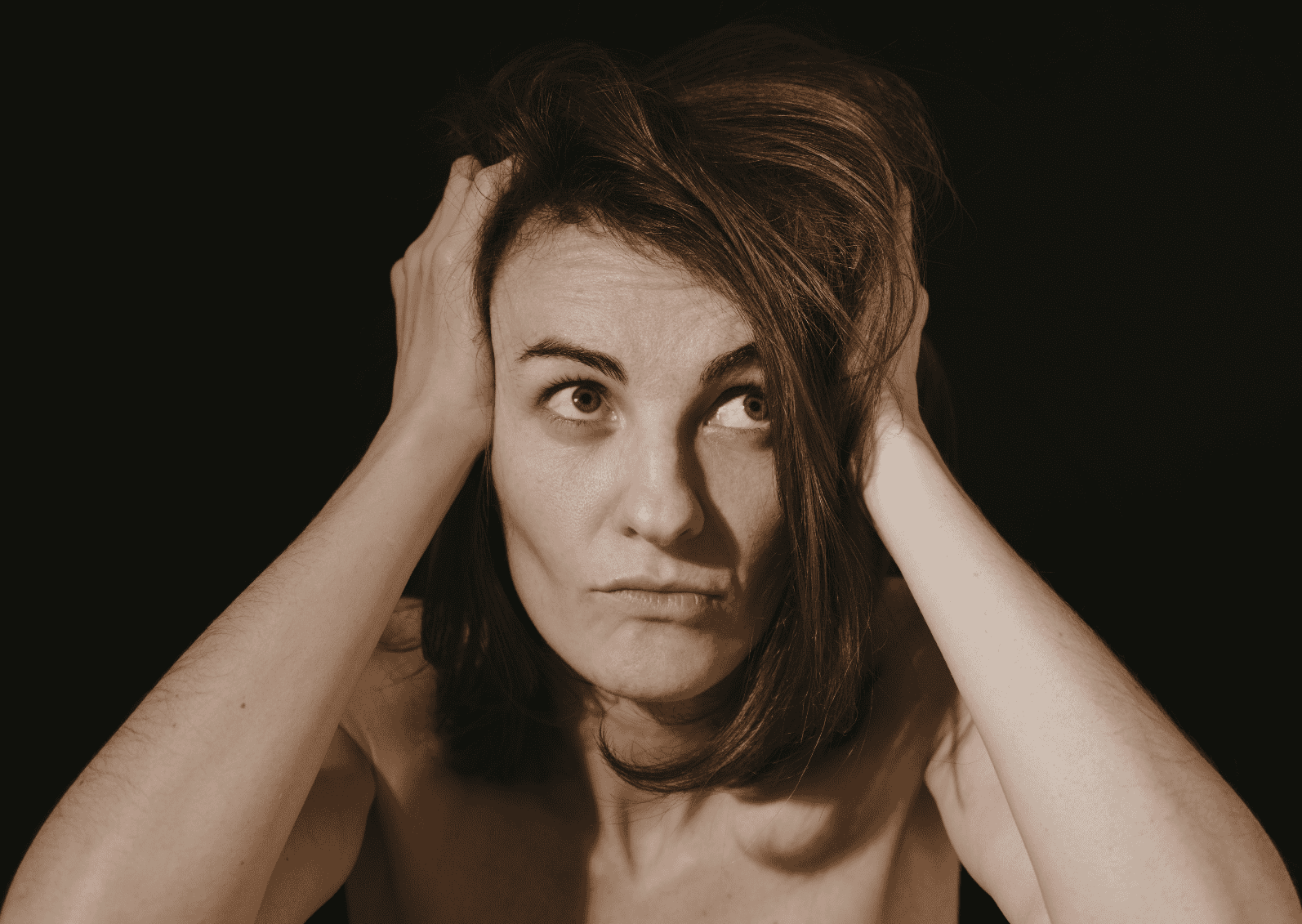
Menopause, a period of hormonal changes, affects many aspects of a woman's body. One of the most common and sometimes unsettling symptoms is experiencing heart palpitations during menopause . Although these palpitations are usually harmless, they can cause a great deal of stress and discomfort. Read on to discover why palpitations occur, how to recognize them, and what you can do to reduce them.
What are heart palpitations during menopause?
Heart palpitations, or the feeling that your heart is beating harder or faster than normal, are common among women going through perimenopause and menopause. This is due to hormonal fluctuations , particularly fluctuations in estrogen and progesterone, which affect the nervous system and the cardiovascular system. Many women experience heart palpitations in bed , but they can occur at any time of day, especially when the body is under the influence of hormonal changes.
Causes of menopausal palpitations during menopause
There are several factors that can contribute to the onset of palpitations during menopause:
- Hormonal fluctuations : The decrease in estrogen causes changes in the way the nervous system and the heart function. This can lead to an increased heart rate and the sensation of a pounding heart.
- Hot flashes, night sweats, and menopausal symptoms : Hot flashes, which are often accompanied by sudden rises in body temperature, can lead to an increased heart rate and stress, which can cause palpitations.
- Increased stress : Stress and anxiety can cause the frequency of heart palpitations, especially in combination with hormonal changes. Menopause can cause mood swings and anxious feelings, which in turn affect the heart rate.
- Caffeine and stimulants : Drinking too much caffeine can increase the risk of heart palpitations, especially when the body is already out of balance due to hormonal changes. This also applies to other stimulants.
Symptoms of palpitations during menopause
With palpitations during menopause, you can experience various symptoms, such as:
- An increased heart rate or pounding heart
- The feeling that your heart skips a beat
- Dizziness or lightheadedness
- Anxious feelings, especially at night
- Irregular heartbeats
Although heart palpitations in women going through menopause are usually harmless, they can be bothersome and frightening. It is important to understand that these symptoms often disappear on their own as the body adjusts to the hormonal changes.
What can you do about heart palpitations?
Fortunately, there are several ways to reduce or relieve heart palpitations . Below are some tips:
- Breathing exercises and relaxation : Through deep breathing exercises, you can calm your nervous system and regulate your heart rate. Reduce stress, for example with the 4-7-8 breathing method, to decrease tension in your body.
- Healthy diet, good minerals, and supplements : Ensure a balanced diet rich in magnesium, potassium, and antioxidants. Foods such as nuts and seeds , avocados, and bananas can help support heart function and reduce palpitations.
- Magnesium : Magnesium plays a crucial role in heart health and can help regulate the heart rate. Consult your doctor or therapist for adequate magnesium intake.
- Avoiding stimulants : Limit your intake of caffeine and other stimulants, especially if you notice that this worsens your palpitations. Too much caffeine can cause high blood pressure. With high blood pressure, you may experience chest pain or heart rhythm disturbances.
- Regular physical activity : By exercising regularly, your heart can become healthier (your heart is also a muscle) and the body can adapt better to hormonal changes. Physical activity also helps reduce stress, which can relieve heart palpitations.
- Consult a doctor : If palpitations become frequent or severe, it is wise to consult a cardiologist to rule out possible underlying heart problems, so that you can reduce the risk of palpitations. It is also advisable to consult a doctor if you suspect major changes in blood pressure.
Frequently asked questions about heart palpitations during menopause
- Can stress cause palpitations and heart rhythm disorders during menopause? Yes, stress can increase the heart rate and worsen palpitations. It is important to reduce stress with relaxation exercises and sufficient sleep. Relaxation and sufficient rest help the heart rate, heart, and blood vessels regain balance and calm. This, in turn, promotes the proper functioning of the heart muscle and its role in the cardiovascular system.
- Are heart palpitations during menopause dangerous? Usually, heart palpitations during menopause are harmless and are caused by hormonal fluctuations; this is a common complaint among women. However, if you experience severe symptoms, it is important to consult a doctor, also to prevent vascular disease.
- How can I reduce heart palpitations at night? Avoiding caffeine and doing breathing exercises before bed can help reduce palpitations in bed and regulate your heart rate. Do not hesitate to seek medical help if you continue to experience heart palpitations at night.
Would you like more information about support during menopause?
Menopause is a natural phase in a woman's life, but the symptoms can sometimes be overwhelming. Heart palpitations are a common phenomenon, but with the right approach, you can get them under control. Don't wait any longer and give your menopause the support it deserves. If you would like more information about supporting menopause, click here .


