.svg?v=133333626955077491221771076156)


This is an information page. Viv Support has no products intended for this indication/application.
Menopause meaning and transition
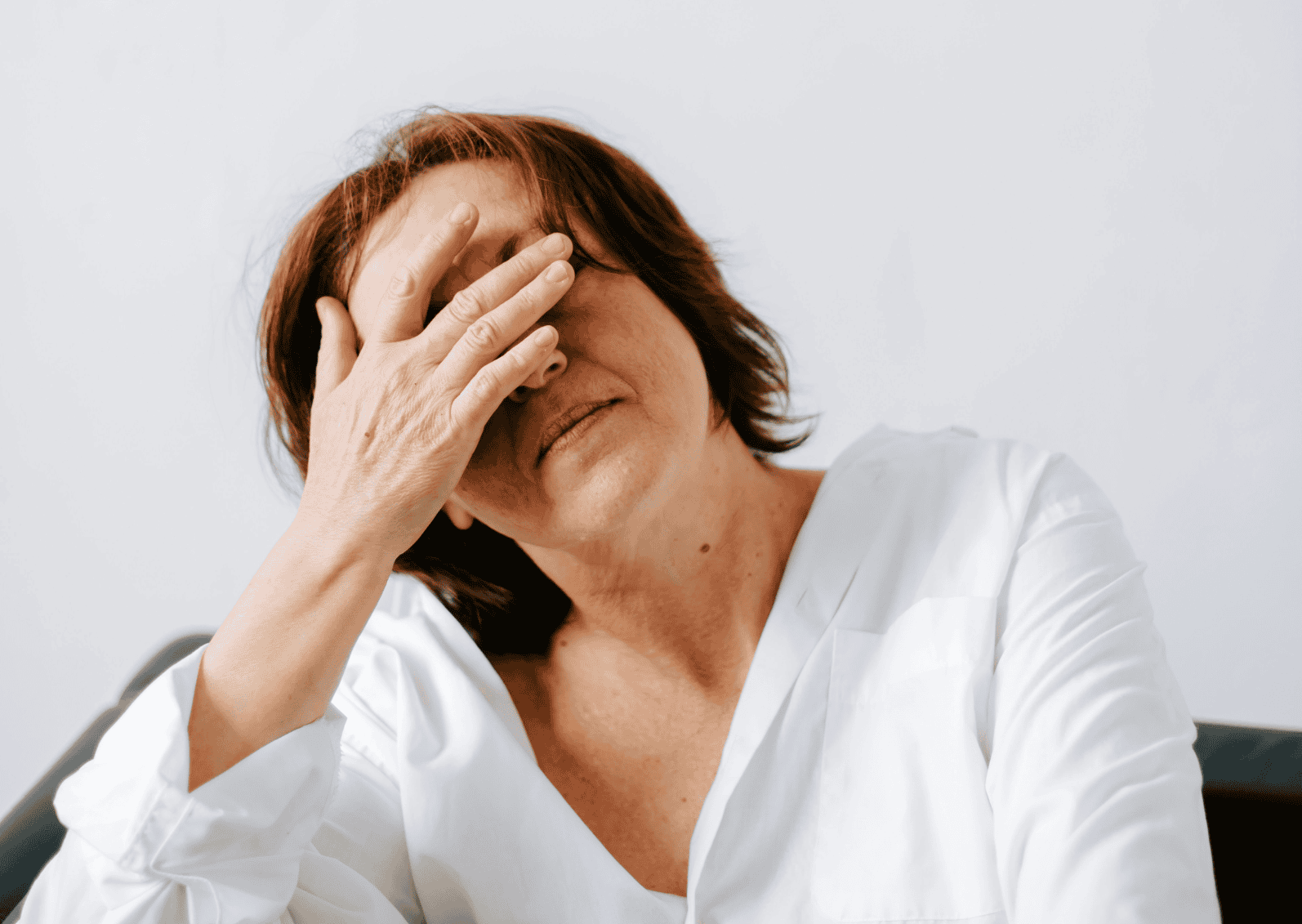
Menopause is a natural phase in a woman's life and marks the end of her fertile period. Many women experience symptoms during the transition such as hot flashes, mood swings, and weight gain. But what exactly happens in the body? What are the symptoms of menopause? And how can you alleviate symptoms during this period? Read comprehensive information about menopause, the transition, and associated symptoms, as well as treatment options.
What is the meaning of menopause and when does it start?
Menopause is defined as the moment when a woman has not had a period for twelve months. This usually occurs between the ages of 45 and 55, with an average age of 51. The period surrounding menopause is called the transition and can last for years before the menstrual cycle stops.
What is the difference between menopause and perimenopause?
The perimenopause is a longer period during which hormonal fluctuations occur, whereas menopause specifically refers to the moment when the last menstruation takes place. Perimenopause is the phase that precedes menopause and can be accompanied by symptoms such as hot flashes, mood swings, and irregular bleeding.
What symptoms of menopause can you experience?
During menopause, women can experience various symptoms. Typical menopausal symptoms are:
- Hot flashes and night sweats
- Mood swings and mood disorders
- Vaginal dryness and reduced libido
- Weight gain and changes in body fat percentage
- Heart palpitations and increased risk of cardiovascular disease
- Bone decalcification and increased risk of osteoporosis
What happens hormonally during menopause?
During menopause, the ovaries reduce the production of estrogen and progesterone, leading to hormonal fluctuations. This can affect the menstrual cycle, mood, and overall health. A blood test to measure FSH and estradiol levels can help determine if menopause is setting in.
Can hormonal treatments help?
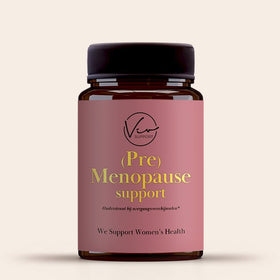
Bioidentical hormones can help with severe menopausal symptoms. This includes 17-beta estrogen and progesterone and can be effective against hot flashes and osteoporosis. Non-hormonal treatments such as phytoestrogens and dietary supplements can also provide relief.
How does menopause affect the heart and blood vessels?
After menopause, the risk of cardiovascular disease increases. This is because estrogen has a protective effect on the blood vessels. A healthy lifestyle with a balanced diet and sufficient exercise can help reduce this risk.
What can you do about menopausal symptoms?
There are several ways to reduce symptoms during menopause:
- Avoid triggers such as caffeine and alcohol that can worsen hot flashes.
- Wear breathable clothing and use fans to reduce night sweats.
- Try relaxation techniques such as yoga and meditation
- Consider supplementation with bio-identical hormones (check with your GP, who can prescribe) or natural alternatives.
When should you see a doctor?
If menopausal symptoms are severe and affect your daily life, it is wise to consult a doctor. A doctor may also refer you for further examination in case of unusual vaginal bleeding, an increased risk of breast cancer, or other health problems.
Would you like more information about menopause?
Being well-informed about menopause and the transition can help you better cope with the changes in this phase of life. Click here to find more detailed information about the transition.


