.svg?v=133333626955077491221771076156)



Perimenopause is the period preceding menopause and marks a significant change in women's lives. This is a phase that has an impact not only physically, but also emotionally and psychologically. But when does perimenopause begin and what can you expect? What can you do to support yourself comfortably during this phase? On this page, we explain everything about perimenopause and the effect of age on this transition.
What is perimenopause and at what age does this phase begin?
Perimenopause is the transitional period during which the body prepares for menopause. It is the phase that begins before menstruation stops completely and can last several years. On average, perimenopause begins around the age of 45, but this varies from woman to woman. Some women experience the first signs as early as age 40, while others do not begin the transition until later in their fifties.
During perimenopause, the body undergoes hormonal changes that cause a period in which you may experience discomfort. The decrease in estrogen and progesterone leads to common symptoms such as hot flashes , mood swings , and irregular menstruation . These discomforts can affect daily life.
What are the symptoms of perimenopause?
The symptoms of perimenopause are very personal and can vary in intensity. Some common discomforts are:
-
Hot flashes : This is one of the best-known symptoms of menopause, where you suddenly experience a feeling of warmth, often accompanied by sweating.
-
Irregular menstruation : The menstrual cycle can become shorter or longer, and the amount of blood loss can vary.
-
Mood swings : Hormonal fluctuations can lead to irritability and changing moods.
- Sleep interruptions : Nighttime hot flashes prevent an uninterrupted night's sleep.
It is important to understand that symptoms of menopause can already appear during perimenopause , starting as early as around your fortieth birthday. This is the time when women begin to notice the most changes in their bodies.
What can you expect during perimenopause?
Perimenopause usually begins with subtle changes in the menstrual cycle. Periods can become irregular and may be accompanied by heavier or lighter bleeding. In addition, hormonal changes can disrupt emotional balance. Mood swings occur regularly, especially in the early years of perimenopause .
However, there are also positive aspects to this phase of life. Perimenopause is a sign that your body is preparing for menopause , which means that you will eventually no longer have periods. This can give many women a sense of freedom.
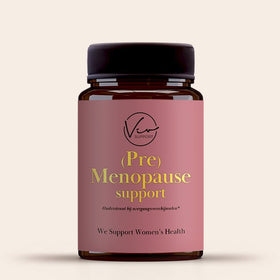
What can you do about perimenopause symptoms
Fortunately, there are several ways to alleviate the discomforts of perimenopause . Here are some treatment options that can help you:
-
Lifestyle and diet : A healthy lifestyle, with sufficient physical activity, a balanced diet, and stress reduction, can significantly reduce the discomforts of perimenopause .
-
Yoga and mindfulness : Practicing relaxation techniques such as yoga and meditation can help reduce mood swings and stress.
- Good herbs to consider are chasteberry and black cohosh. Both herbs offer support during perimenopause.
It is important to remember that perimenopause is a natural phase of life that every woman experiences differently.
FAQ: Frequently Asked Questions about Perimenopause
1. What is the difference between perimenopause and menopause?
Perimenopause is the transitional phase preceding menopause . It usually begins around the age of 45 and can last for several years. Menopause itself is the moment when you have not had a period for 12 months.
2. How long does perimenopause last?
Perimenopause can last 4 to 10 years, depending on the woman. It usually begins around the age of 45 and ends when menopause starts.
3. When should I see the doctor?
If the symptoms affect your daily life or you have concerns about your health, it is wise to make an appointment with your GP. They can look at the best treatment options with you.
Would you like to supply chasteberry or silverweed? Then click here.


