.svg?v=133333626955077491221771076156)


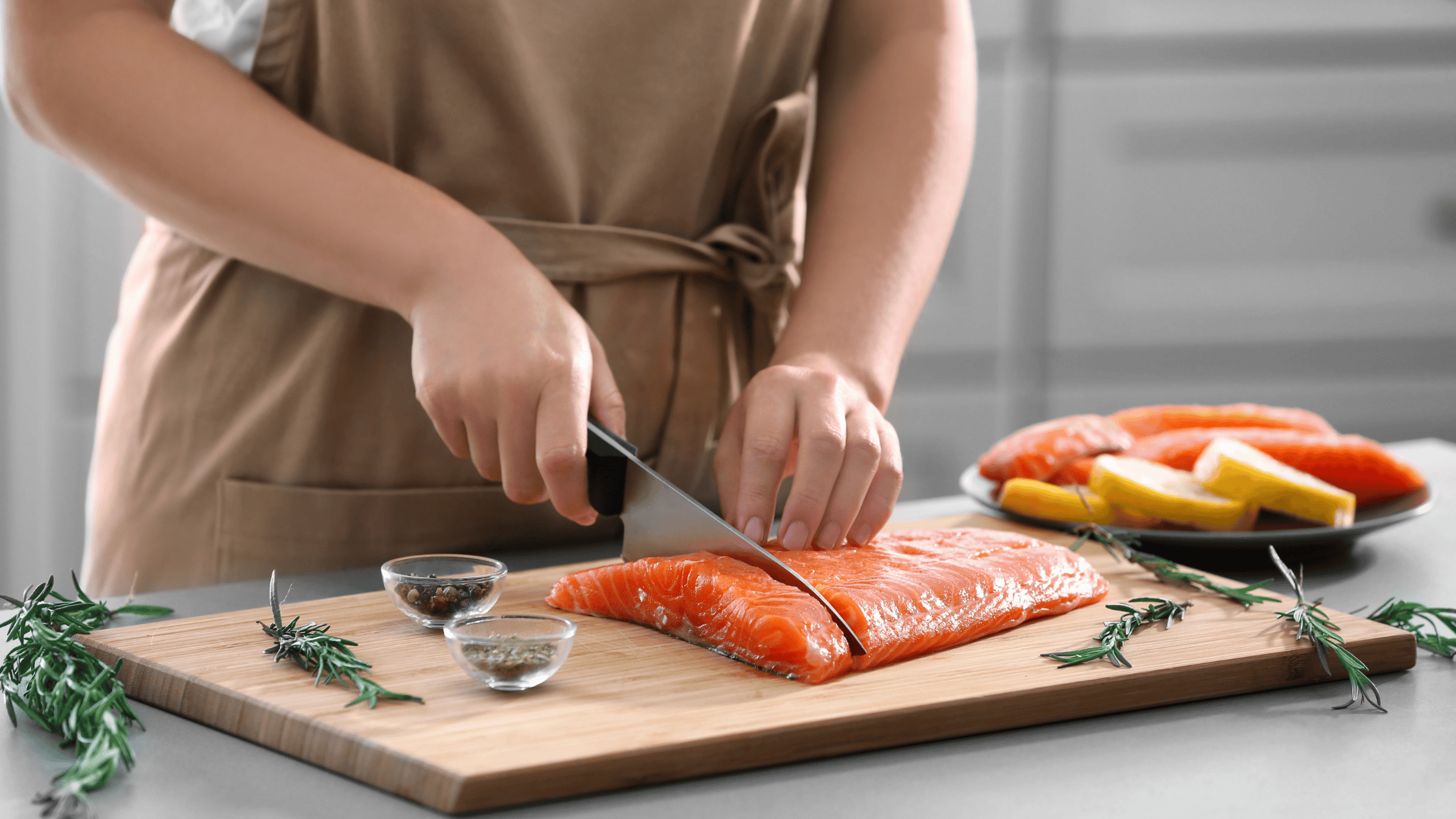
During (pre)menopause, your body changes due to hormonal shifts that can affect your energy, mood, and overall well-being. This phase of change can be challenging, but did you know that nutrition can make a big difference in how you feel? By consciously choosing foods that support your body, you can better maintain your energy levels and ensure greater comfort during this period.
Below, I share six nutrition tips that can help you nourish your body and support it through all the changes it is going through.
1. Eat phytoestrogens for your hormones
Phytoestrogens are plant-based substances that have a mild estrogen-like effect and can help your body support estrogen balance during (pre)menopause. By adding foods rich in phytoestrogens, you can slightly mitigate hormonal fluctuations.
Foods rich in phytoestrogens include:
- Flaxseed : rich in lignans, a type of phytoestrogen that can balance your hormones.
- Soybeans and tofu : contain isoflavones that can help reduce symptoms such as hot flashes.
- Sesame seeds : a good source of phytoestrogens and healthy fats.
By adding a portion of these foods daily, you naturally support your body in dealing with hormonal changes.
Do you want to know how to translate this into easy, tasty meals?
Then download the free recipe book “8x hormone-friendly recipes for women over 40” – specially developed for this stage of life.
2. Ensure sufficient calcium and vitamin D
During (pre)menopause, bone density often gradually decreases, making your bones more fragile. Calcium and vitamin D are important for keeping your bones strong and reducing the risk of osteoporosis. Calcium-rich foods such as dairy, broccoli, almonds, and figs are good choices to include regularly in your diet.
In addition, vitamin D helps absorb calcium. Make sure you get outside regularly for sunlight, which is the natural source of vitamin D, and consider a vitamin D supplement during the darker months. By consciously paying attention to your bone health, you give your body the necessary support to stay strong.
3. Choose healthy fats
Healthy fats are essential for your hormonal health and help reduce inflammation in your body. During (pre)menopause, your hormone balance can become disrupted, and healthy fats can help support that balance. They are also important for your brain function and overall energy levels.
Rich sources of healthy fats are:
- Avocados : packed with healthy fats and fiber.
- Nuts and seeds : a convenient snack and a good source of omega-3 fatty acids.
- Olive oil : rich in monounsaturated fats that support your heart and blood vessels.
- Fatty fish : such as salmon and mackerel, which are rich in omega-3 fatty acids.
Do you eat little or no fatty fish? Then you can always opt for a supplementary omega-3 supplement .
4. Eat colorful vegetables and fruit
Fruits and vegetables are packed with antioxidants, vitamins, and minerals that your body needs to function properly during this hormonal phase. Antioxidants help fight free radicals and support your immune system, which can help you cope better with the hormonal changes.
Choose colorful vegetables and fruits, such as:
- Carrots and sweet potatoes : rich in beta-carotene, which is good for your skin and immune system.
- Leafy greens such as spinach: contain a lot of iron, which is important for your energy levels.
- Berries : a source of antioxidants that protect your cells.
By making your plate as colorful as possible, you ensure a wide range of nutrients that support your body and help promote your overall well-being.
5. Avoid refined sugars and caffeine
Refined sugars and caffeine can disrupt your hormones and intensify hot flashes or mood swings. These quick energy sources often cause peaks and valleys in your blood sugar levels, which can contribute to fatigue and mood swings. Try to avoid or at least limit them and choose natural energy sources instead.
Alternatives to refined sugars and caffeine include:
- Complex carbohydrates such as oatmeal and whole-grain products, which keep your energy more stable.
- Healthy snacks such as a handful of nuts, a banana, or a slice of whole-grain toast with hummus.
By being more mindful of your sugars and caffeine, you support your body in maintaining more stable energy levels and prevent hormonal fluctuations.
6. Don't forget enough protein
Proteins are essential for maintaining muscle mass, which can decline as you age. During (pre)menopause, it is important to maintain muscle mass, as this helps keep your metabolism and energy levels stable. Choose lean proteins and plant-based proteins to provide your body with the building blocks it needs.
Good sources of protein are:
- Chicken and turkey : lean meat that is rich in protein.
- Eggs : a complete source of protein that is easy to add to your breakfast.
- Legumes such as lentils and chickpeas, which also contain fiber.
- Plant-based proteins such as tempeh and lentils, which can help you maintain your muscle mass.
Do you eat little protein, or do you want to add extra protein to your diet? Then give our unique protein and collagen powder a try. You can incorporate this into a smoothie or your oatmeal, for example.
Conclusion
(Pre)menopause is a time of major changes, but by paying attention to your diet, you can help your body cope better with this phase. Foods rich in phytoestrogens, calcium, healthy fats, and protein can help support your hormone balance, keep your bones strong, and maintain stable energy levels. By consciously choosing healthy, nutritious options and avoiding sugars and caffeine, you give yourself the best chance of a more comfortable transition. With the right nutrition, you can keep your body strong and balanced during (pre)menopause. Take good care of yourself.
Eager to get started right away with nutrition that supports your hormones?
Download the recipe book “8x hormone-friendly recipes for women over 40” for free below.


