.svg?v=133333626955077491221771076156)


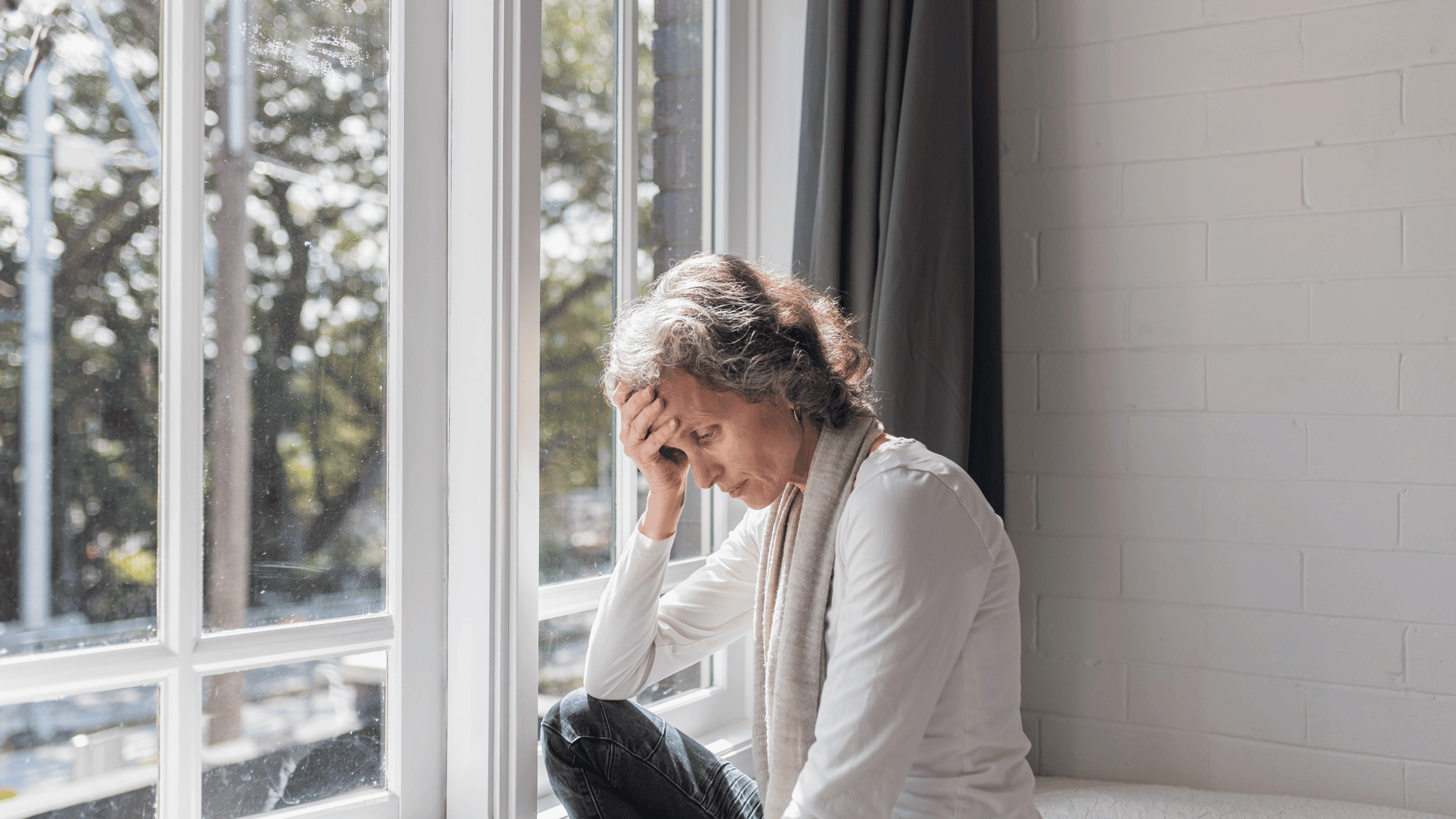
Hormonal menopause symptoms cause, among other things, hot flashes and sweating. Read how changes in estrogen affect your period.
Hormones and menopause
Menopause is a natural phase in a woman's life, but it can be accompanied by a series of physical and emotional changes. This is because the production of the hormones estrogen and progesterone gradually begins to fluctuate and eventually decreases significantly. Due to the drop in these hormones, many women experience typical menopausal symptoms, such as hot flashes, mood swings, and sleep problems. Fortunately, there are ways to alleviate these symptoms and get through this period more easily.
Estrogen and progesterone: what do they do?
Estrogen and progesterone are our main sex hormones. Estrogen plays an important role in the body and influences many physiological and mental processes. For example, estrogen affects your mood, the health of your bones and cardiovascular system, the condition of your skin, and body temperature regulation. Progesterone helps regulate your menstrual cycle and has a calming effect on the nervous system.
What happens to your hormones during menopause?
During menopause, the production of the female hormones estrogen and progesterone decreases because your ovaries gradually produce less of these hormones. Your ovaries are slowly retiring! This causes your periods to become more irregular and eventually stop. And these fluctuations and the decline in estrogen and progesterone production can therefore cause many menopausal symptoms.
Common menopausal symptoms
Estrogen, in particular, influences many functions in our body. That is why you can experience a wide range of physical and mental complaints and discomforts during menopause. Which complaints are the most common?
- Hot flashes and night sweats : These sudden attacks of heat can occur during the day or at night and are caused by a drop in estrogen.
- Mood swings : Hormonal fluctuations can cause irritability, despondency, or even depressive feelings.
- Sleep problems : Many women notice that they have more difficulty falling asleep or wake up frequently during the night.
- Dry skin and brittle nails : Estrogen affects the elasticity of the skin and the strength of nails and hair. A decrease in this hormone can lead to a duller appearance and hair that breaks more easily.
How can you support your hormone balance?
During the transition period, it is especially important for your well-being to take a close look at your lifestyle and eating habits. Hormonal changes are unfortunately inevitable, but these tips can help you alleviate your menopausal symptoms. What should you consider?
- Healthy diet : Eat plenty of vegetables, fruit, and other fiber-rich products, such as nuts, seeds, and legumes. Avoid caffeine and processed products containing sugar, such as cookies, muesli, etc., as these can worsen your mood swings.
- Regular exercise : Physical activity helps regulate hormones and can reduce symptoms such as stress and insomnia.
- Sufficient relaxation : Stress can throw hormones off balance. Yoga, meditation, and breathing exercises can help you feel better.
Take control of your hormones
Menopause can be a challenging period, but with the right support, you can face this phase with confidence. By making conscious choices regarding diet and lifestyle, you can reduce menopausal symptoms and improve your well-being.
If you want to know more about supporting the transition, click here.
This is an information page. Viv Support has no products intended for this indication/application.


