.svg?v=133333626955077491221771076156)


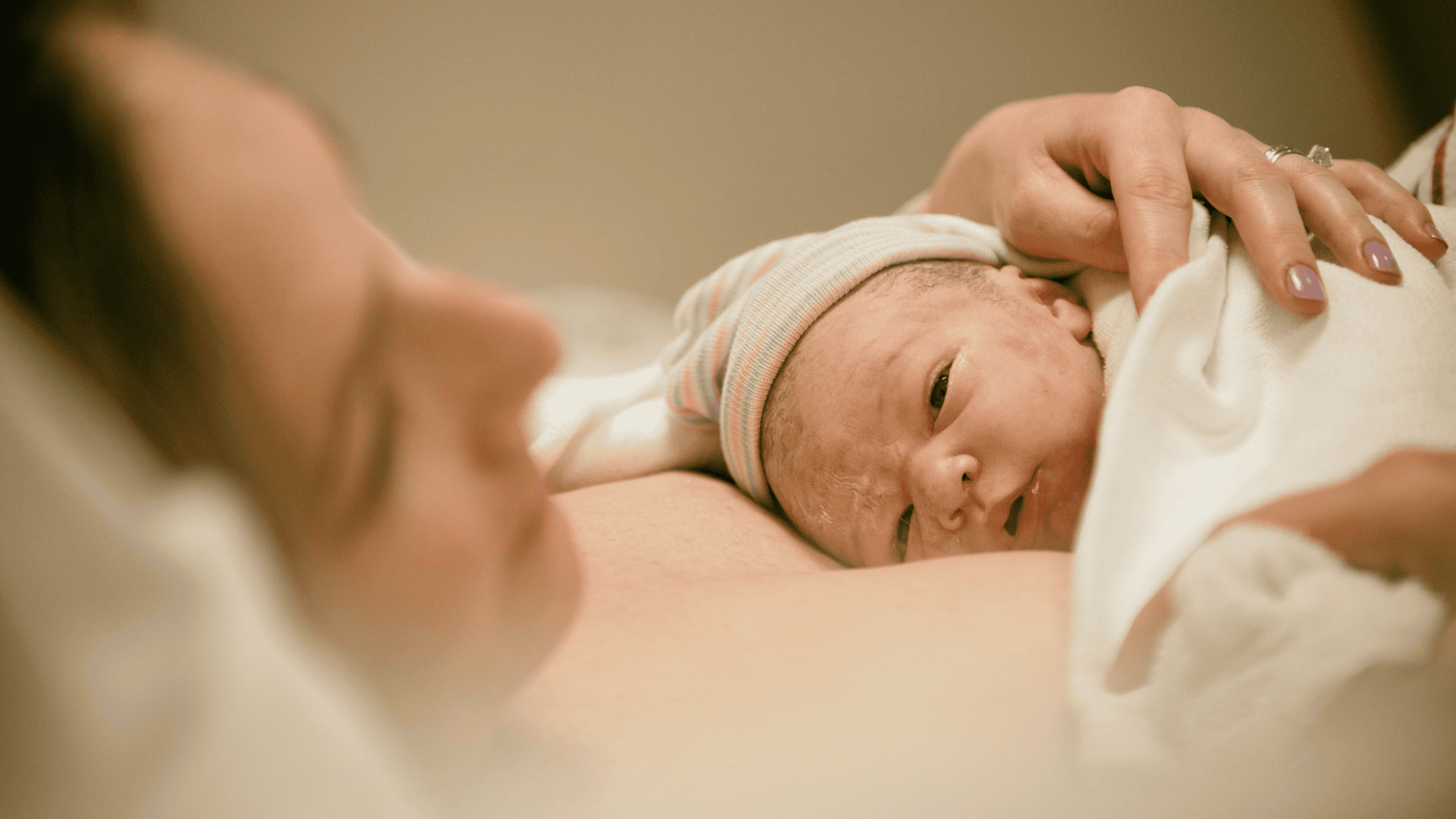
Congratulations on the birth of your little one! All sorts of things are coursing through your body. Intense love for your baby, fatigue, and hormones all over the place.
This period after childbirth, also known as the postpartum period, is a special but also intense time. Your body has performed an enormous feat and is now entering a phase in which it must readjust. This recovery process proceeds at its own pace and is both physically and emotionally challenging. From hormonal fluctuations to physical changes, your body is working very hard to regain balance.
It is normal to have a little less energy during this period and to sometimes feel overwhelmed. In addition to caring for your little one, your own body is now asking for attention and support. Recovery is not a race; give yourself the space to rebuild strength step by step. A few conscious choices in your daily routine can already help support this process.
Why recovery is so important
During pregnancy and childbirth, your body pulled out all the stops for the growth and birth of your baby. Now that this phase is behind you, it needs time to return to its old form and function. Every mother recovers differently, and that is completely normal. By taking good care of yourself, you give your body the means to come back strong. This is a time when nutrition, rest, and a little extra help can work wonders to promote your recovery and rebuild your energy.
1. Hormonal changes
After childbirth, your hormone balance changes significantly:
- Estrogen and progesterone: During pregnancy, these hormones were at their peak, but after childbirth, they drop sharply. This can affect your mood, causing feelings of emotional instability, sometimes known as the “baby blues.” This is normal, but keep an eye on it if these feelings persist for a longer period.
- Prolactin and oxytocin: Prolactin stimulates milk production, while oxytocin helps with uterine contractions and building the bond with your baby. These hormones can also give you a sense of calm and connection, especially during breastfeeding.
- Cortisol and adrenaline: These stress hormones can remain elevated after childbirth, especially due to sleep deprivation and new responsibilities. This can amplify feelings of fatigue or overwhelm.
2. Uterine recovery
After childbirth, the uterus contracts to its original size, a process called 'involution'. You may feel cramps, especially while breastfeeding, because oxytocin helps the uterus contract. This natural process can take several weeks.
3. Pelvic floor and muscles
The pelvic floor muscles are heavily strained during pregnancy and childbirth. It is normal to experience some weakness in the pelvic floor during this period, which can sometimes lead to urine leakage. Pelvic floor exercises can help strengthen the muscles, giving you more control and reducing discomfort.
4. Recovery of the abdominal muscles
Your abdominal muscles have stretched during pregnancy to make room for the growing uterus. In many women, a separation develops between the rectus abdominis muscles. This separation may take some time to heal, and it is important to take it easy when exercising. Exercising too soon can actually slow down your recovery and put extra strain on your muscles.
5. Bleeding
After childbirth, you lose blood and tissue from the uterus, which is called 'lochia'. This can last up to six weeks and gradually changes color, from bright red to light pink or brown, as your uterus continues to heal. This process is completely normal and a sign that your body is recovering.

6. Breasts and milk production
When you start breastfeeding, your breasts will fill with milk. This can be accompanied by swelling, tenderness, and sometimes discomfort as milk production gets going. After a few days, your body will adjust to your baby's needs, and the process will become more comfortable.
7. Sleep deprivation and fatigue
Sleep is often a challenge for new mothers. While your body recovers, it can be difficult to get enough rest due to caring for your baby. Fatigue is very normal. Try to rest whenever possible, for example by taking short naps while your baby sleeps. This helps your body build up energy for recovery.
8. Emotional
Your hormone levels drop sharply after childbirth, which can cause mood swings and feelings of being overwhelmed. This is very normal in the first few weeks, but it can help to share your feelings with someone you trust, such as a midwife, friend, or family member. Keep in mind that if these feelings persist or worsen, talking to a healthcare provider can be helpful.
How warming foods can support you during your recovery
During the postpartum period, warming foods can support your body's recovery. Traditional nutritional science, such as Chinese medicine, advises choosing warm, nutritious meals after childbirth that help your body recover from the inside out. Think of warming soups, stews, and herbal teas with ingredients like ginger and turmeric. Additionally, it is important to consume sufficient protein . Read more about this in our blog on nutrition and recovery after childbirth.
Conclusion: allow yourself time to recover
The postpartum period is a time of great recovery and adjustment for your body. After giving birth, you not only have new responsibilities, but your body also undergoes all kinds of physical and emotional changes. By listening carefully to your body and providing the right support step by step, you can support the recovery process. Hormones, muscles, sleep, and emotions: everything is in flux, and it is perfectly normal to need time and rest to feel completely like yourself again.
By paying attention to nutritious, warming foods and incorporating moments of rest, you help your body come back stronger and more balanced. Take the space to go through this recovery process at your own pace. Be gentle with yourself and remember that taking good care of yourself is ultimately the best way to be fully there for your little one.


