.svg?v=133333626955077491221771076156)


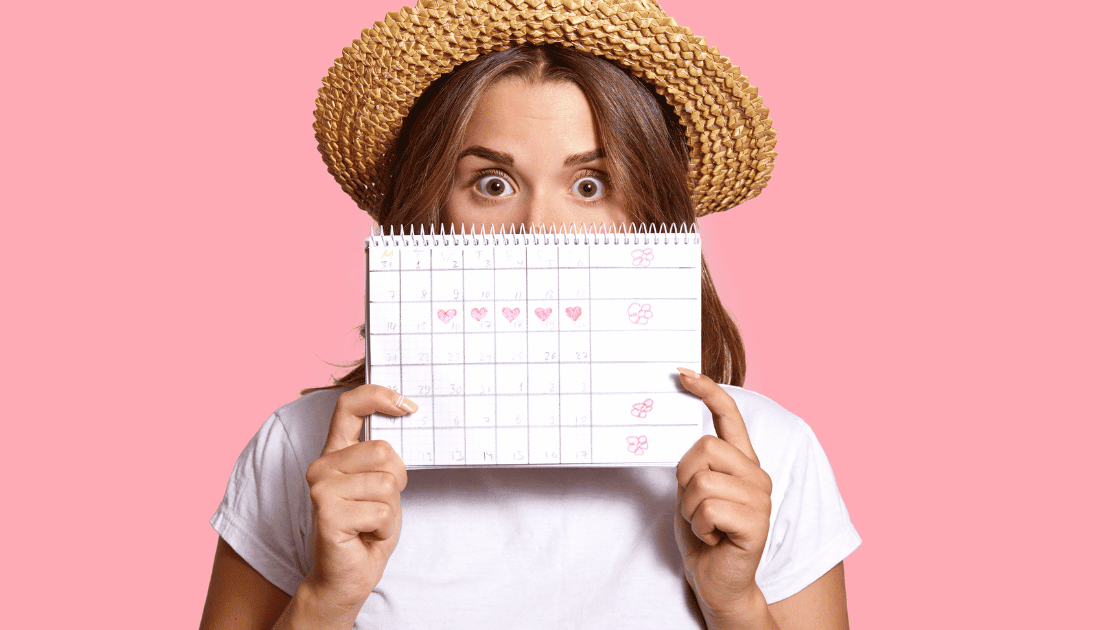
Do you sometimes wonder why you feel fantastic one day, and like a hormonal whirlwind the next? And do you quickly realize: “ah, that’s because my period is coming,” or actually in the days leading up to my ovulation. Having a menstrual cycle is part of being a woman; it is part of who we are and makes us unique.
But… does your cycle sometimes get in your way? Do you feel out of balance, or are you wondering how best to support yourself during the different phases? Then Viv Support is happy to help you on your way with information, lifestyle and nutritional advice, especially for women who want more control over their natural rhythm.
What is a normal cycle?
On average, a cycle lasts 28 days, although a duration of between 21 and 35 days is also quite normal. During this cycle, a natural rhythm occurs: the cycle starts on the first day of your period and progresses through the ovulation phase (around day 14) to the luteal phase, in which the body prepares for a potential pregnancy. A period usually lasts 3 to 7 days. During your cycle, your energy, mood, and needs may change; this is perfectly normal. It helps to be mindful of this and adjust your lifestyle accordingly if necessary.
Signs of an irregular cycle
Not every woman has a regular cycle. Signs that may indicate your cycle is out of balance:
- A cycle shorter than 21 days or longer than 35 days
- Menstrual periods that often skip
- Strong fluctuations in blood loss or cycle length
- Feelings of fatigue, irritability, or mood swings that persist throughout the month
These types of signals are often functional or hormonal in nature. It is important to listen carefully to your body in such cases. Support through diet, lifestyle, and certain herbs can be helpful. Later, we will delve deeper into a special herb in this context. If you have concerns or doubts, it is wise to consult a doctor or specialist.
Do you want to know how you can support your body throughout your cycle? Read on and discover the possibilities!
Tips for your lifestyle
- Exercise regularly: Physical activity helps support your hormonal balance and can positively influence your mood, energy levels, and circulation. Think of walking, yoga, cycling, Pilates, swimming, and dancing.
- Strength training: Light to moderate strength training supports muscle building and stimulates metabolism. This can indirectly contribute to hormonal stability, especially in the second half of your cycle. For example, start with bodyweight exercises (such as squats and planks).
- Reduce stress: Prolonged stress can have a major impact on your cycle. Relaxation is therefore super important. Try breathing exercises, meditation, walking in nature, or spending time on something YOU enjoy. Really, above all, do what makes YOU happy; that is the most important thing.
- Ensure you get enough sleep: Sleep supports your recovery and hormonal rhythm. Create a soothing bedroom and avoid caffeine, alcohol, and screen time in the hour before bed. Also, create a fixed bedtime ritual, such as a warm shower, reading a relaxing book, or a few minutes of meditation.
- Support your natural rhythm: reflect on your energy throughout the month. Do you have more energy around ovulation? Schedule demanding tasks (mental or physical) for those days. Be kinder to yourself in the days before your period.
Tips for your diet:
- Eat enough healthy fats. Healthy fats are essential for the production of sex hormones. Think of avocado, nuts, seeds, and fatty fish.
- Eat enough protein: Protein also helps with hormone production. Furthermore, protein contributes to muscle recovery and your energy levels. Good sources include eggs, fish, poultry, tempeh, and yogurt or quark (if you tolerate dairy).
- Limit sugars: Strong fluctuations in your blood sugar levels can lead to mood swings and hormonal imbalance. Choose complex carbohydrates from vegetables, fruit, sweet potatoes, and oatmeal.
- Ensure you get enough iron and magnesium: Eat iron-rich foods such as spinach, beans, and meat. Also add some magnesium-rich products to your diet, such as dark chocolate, nuts, and leafy greens. Magnesium helps with relaxation, among other things.
- Drink plenty of water and herbal tea: Hydration is important, especially during menstruation or ovulation when you lose fluids. Herbal tea such as chamomile or nettle provides gentle, natural support.
Special herb in the spotlight: Chasteberry
Chasteberry* is traditionally used to support the female body during the cycle. Why is Chasteberry so interesting?
- Supports the maintenance of a normal menstrual cycle
- Helps with discomfort before menstruation
- Contributes to emotional balance during the cycle and helps with irritability and mood swings during the menstrual cycle.
Evaluation of health claims is ongoing
Finally
Your menstrual cycle is not a burden, but a source of strength that asks for attention. By getting to know your body better, adjusting your lifestyle, and being kind to yourself, you can stay in balance with your natural rhythm. Viv Support is happy to help you with this by sharing knowledge that suits your stage of life.
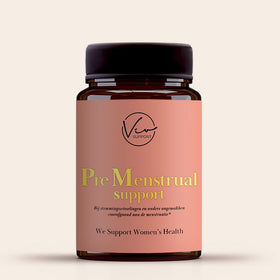
Do you want to supplement Chasteberry? Then click here .


