.svg?v=133333626955077491221771076156)


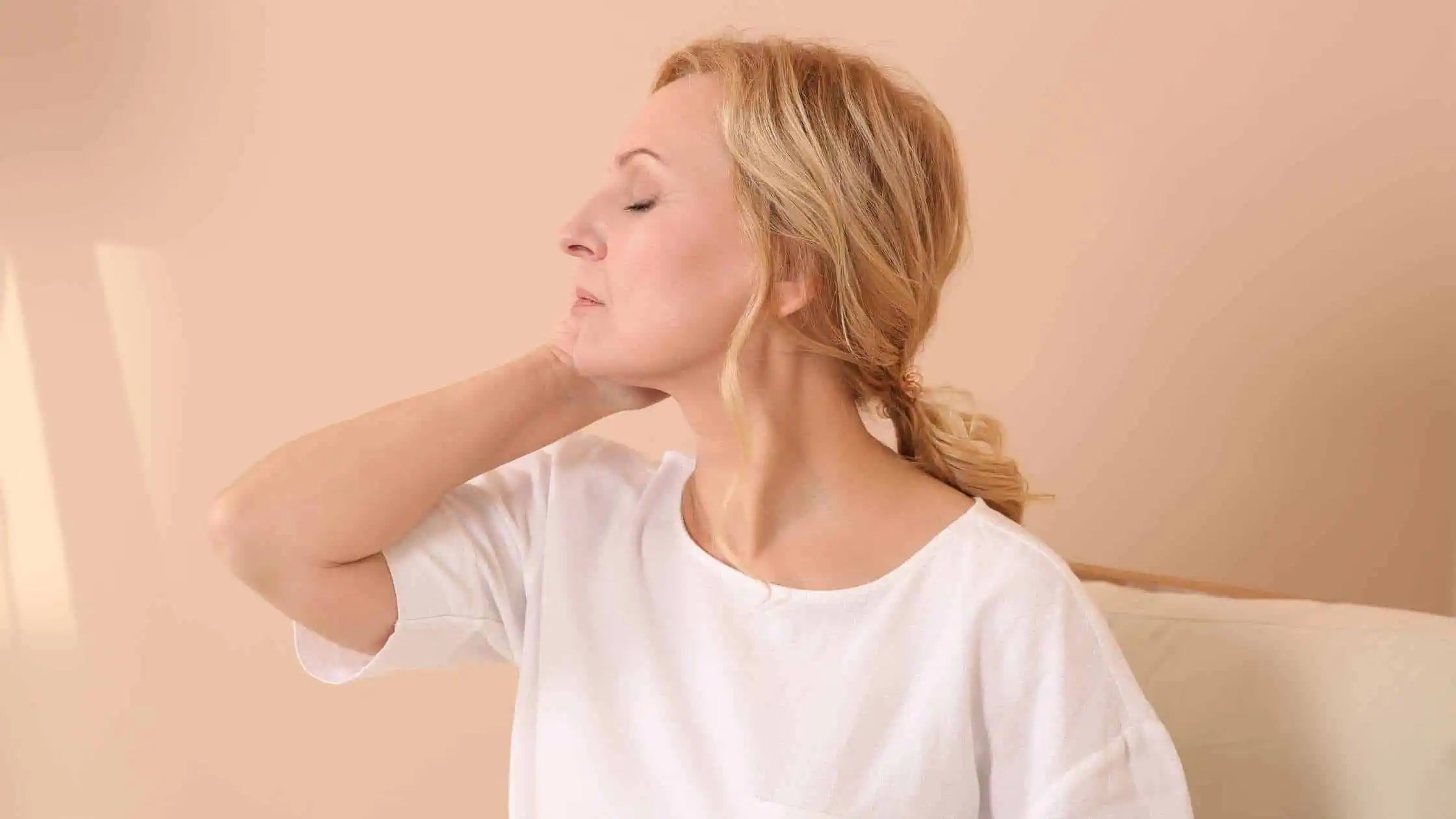
Have you noticed that your body and mood have been changing lately? Perhaps you are sleeping differently, feel more easily thrown off balance, or notice that your energy levels aren't always the same.
This may have to do with hormonal changes associated with (pre)menopause – the transitional period during which your hormones slowly begin to fluctuate.
This short perimenopause test helps you gain insight into the signs associated with perimenopause.
Take the perimenopause test
Answer honestly and count how many times you say YES 👇
1️⃣ Have you been waking up more often at night lately, or are you wide awake around 3 a.m.?
2️⃣ Has your cycle become shorter, longer, or more irregular than before?
3️⃣ Do you often experience mood swings, or do you feel gloomy or angry without a clear reason?
4️⃣ Do you notice that your skin or hair is changing (drier, thinner, wrinkles, increased hair loss)?
5️⃣ Do you often experience brain fog or forget simple things (“where are my keys?”)?
6️⃣ Do you suddenly get a hot flash or do you feel your body temperature changing rapidly?
7️⃣ Do you feel more easily irritated or do you notice that your self-confidence is shaky?
8️⃣ Do you have new physical discomforts such as sensitive breasts, a tense stomach, or stiffer joints?
9️⃣ Does your recovery take longer after exercising or a busy day than before?
🔟 Do you sometimes feel like your body is no longer “cooperating” as you are used to (e.g. weight or energy)?
1️⃣1️⃣ Has your libido changed (more or less desire)?
1️⃣2️⃣ Does it seem like your emotions are bigger than the situation or that you cry more easily?
The result of your perimenopause test
0–3 YES's
You probably recognize few signs of hormonal change yet. Some women notice slight changes in mood or energy during this phase. Use this period to pay close attention to rest, nutrition, and relaxation.
Discover here what can provide support
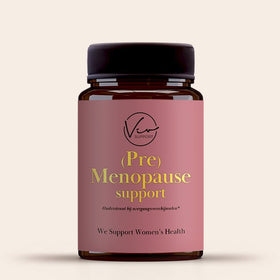
4–7 YES's
You may be in early perimenopause. You notice that your body is changing, and this sometimes requires some extra attention. You may experience changes in your skin, hair, or mood. A healthy lifestyle and sufficient exercise and relaxation can help you feel (and stay) well-balanced.
View here what can support you in this phase.
8 or more YES answers
It is very likely that you are clearly in the transitional phase. You may experience discomforts such as hot flashes, mood swings, irritability, and night sweats. This can affect how you sleep, feel, and move.
Dear woman, do you recognize many signals and would you like to deal with them more consciously? Then it can be helpful to pay extra attention to your lifestyle, nutrition, and relaxation.
This helps you in this phase.
This test is intended to give you more insight into possible hormonal changes that may be associated with perimenopause.
It is not a medical test or diagnosis and does not replace the advice of a doctor or therapist.
Three quick tips to get through this phase better
1. Sleep ritual
Put your phone away an hour before going to bed, make a cup of chamomile tea, and read something light. Finally, write down three things you are grateful for or that made you happy today.
2. Move smart
Short strength training or a brisk walk not only helps keep your muscles strong but also has a relaxing effect.
3. Keep learning about your Hormones Handbook
Do you want to know and learn more about this phase in your life? In the book Hormones Handbook for Women over 40, Viv tells you more about what changes in your body during this phase.
👉 Order the book here and discover practical tips


