.svg?v=133333626955077491221771076156)


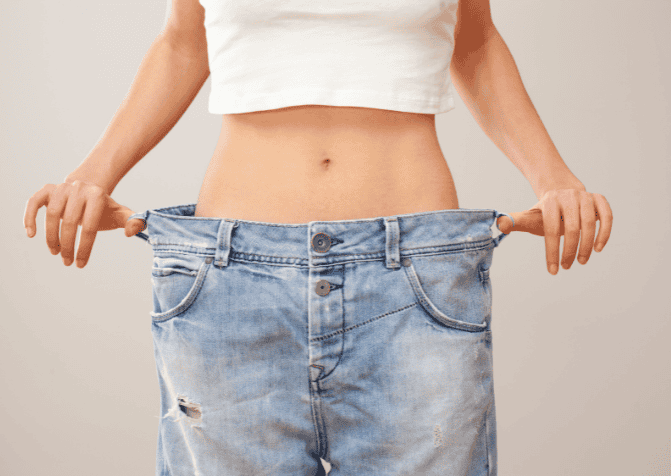
This is an information page. Viv Support has no products intended for this indication/application.
Do you notice that your body is changing and that the pounds aren't coming off as easily as they used to? You are not alone. Many women going through menopause wonder why losing weight is suddenly such a challenge. During menopause, your hormone balance changes, and this has a major impact on your weight, metabolism, and motivation. In this phase, you may feel powerless, especially if you eat healthily and still gain weight.
Fortunately, there is also good news: Losing weight during menopause is possible, if you know how to handle these changes. In this article, you will read how to effectively lose weight during menopause, what the pitfalls are, and how you can support your body in a way that works for you.
Why weight gain during menopause is so common
Many women experience sudden weight gain around the menopause. This is not surprising, as your body produces less and less estrogen. This female hormone plays an important role in regulating your metabolism, fat distribution, and muscle mass. Less estrogen therefore means a slower metabolism, loss of muscle mass, and an increase in belly fat.
In addition, hormonal fluctuations affect your appetite and mood. As a result, you may reach for food more quickly, experience binge eating, or simply crave sweet or fatty foods. Add to that the fact that sleeping often becomes more difficult (sleep problems are a common complaint during menopause), and you have the perfect cocktail for extra pounds.
Why is losing weight during menopause so difficult?
The challenge lies in several factors:
- Slower metabolism : your body burns fewer calories at rest.
- Less muscle mass : muscles consume more energy than fat. Therefore, less muscle mass means less burning of calories.
- Change in fat storage : fat accumulates more quickly around the abdomen.
- Hormonal fluctuations : increased fluctuations in appetite, mood, and energy.
- Poor night's sleep : sleep deprivation disrupts your blood sugar levels and increases your feeling of hunger.
Knowing why your body changes helps you take the right steps. Losing weight during menopause is not easy; the main factor in losing weight is knowledge. Knowledge of the facts, of your body.
The role of hormones in weight loss during menopause
During menopause, the production of progesterone and estrogen decreases. These female hormones are not only important for your monthly cycle but also influence your weight by determining how your body stores and processes fat. Lower estrogen levels often mean an increase in belly fat—precisely the fat that can be so stubborn.
In addition, the hormone insulin (which regulates your blood sugar) often struggles to do its job properly. This can lead to fluctuations in your blood sugar, which intensifies your hunger and contributes to weight gain. A good hormonal balance therefore supports not only your energy and mood, but also your weight loss.
What really helps with weight loss during menopause?
Losing weight during menopause requires a different approach than you might be used to, because your female hormones simply start to decline; that is part of this phase. Eating less or strict dieting often has little effect, and sometimes even backfires. So what *does* work to regulate your weight during menopause?
1. Choose protein-rich and fiber-rich foods
Proteins help maintain muscle mass and provide a feeling of satiety. Fiber from vegetables, fruits, and whole grains supports your digestion. Healthy fats (such as those from avocado, olive oil, and flaxseed) help keep your hormones in balance. Additionally, the right foods can have a beneficial effect on the risks of cardiovascular disease.
Tip: Make this delicious gluten-free nut and raisin bread, packed with protein and healthy fats. A delicious hormone-friendly recipe.
2. Increase your muscle mass with strength training
Muscles are your best friend if you want to lose weight. Strength training helps you build and maintain muscle mass. This results in a higher resting metabolism. You really don't need to go to the gym for a slim waist; you can also get started at home with weights, resistance bands, or bodyweight exercises.
3. Move regularly, with pleasure
Regular physical activity reduces stress, improves your blood sugar levels, and helps you lose weight. Think of cycling or swimming, walking in nature, yoga, or Pilates. Dancing or gardening is, of course, allowed too. In principle, it doesn't matter how you burn calories, so exercise can be fun too!
4. Eat consciously and avoid processed foods
Processed products often contain sugars, unhealthy fats, and few nutrients. Choose unprocessed products such as vegetables, fruits, and nuts instead. You can obtain phytoestrogens from sources like flaxseed and soy products (preferably fermented, such as tofu or tempeh), which can support your natural hormones. Skip snacks and eat a maximum of three satisfying meals per day. This promotes fat burning, especially when combined with sufficient exercise and strength training. This helps you lose weight during menopause.
5. Ensure rest, sleep, and stress management
Stress and lack of sleep disrupt your hormones and increase the likelihood of overeating. Mindfulness, relaxation exercises, and a consistent sleep routine help reduce stress and improve sleep. This gives your body the rest it needs to find balance, making it easier to lose weight. Menopausal symptoms cause stress; by actively working on your mental well-being, you can often reduce symptoms such as hot flashes.
Mistakes when losing weight during menopause
Losing weight during menopause means more than just looking at the scale. Some common pitfalls when losing weight during menopause are:
- Dieting too strictly : this lowers your metabolism and often leads to the well-known yo-yo effect. A calorie deficit can put your body into a state of ketosis, in which case you actually retain fat.
- Doing only cardio : you also need muscle-strengthening exercises to burn fat. Note: muscle tissue weighs more than fat tissue. The goal is therefore not to lose a record number of kilos.
- Counting calories without considering nutritional quality : 1,500 kcal from chips is different from 1,500 kcal from vegetables and protein. Additionally, consuming junk food increases your risk of diabetes and related health problems.
- Eating too little : when your body goes into 'survival mode', losing weight becomes almost impossible. Your metabolism shuts down and all calories go into your fat cells as reserves.
- Expecting your old diet tricks to still work : your body is in a new phase. This calls for a new approach. That is why losing weight during menopause is so difficult. You need to devise a new strategy that aligns with your current needs.
FAQ: frequently asked questions about losing weight during menopause
During perimenopause or menopause, many changes occur in your body. You notice how much influence the ovaries have on your life and well-being. When you are going through perimenopause, you are faced with challenges for which you have no answers. Here are some frequently asked questions about losing weight, and why gaining weight during perimenopause is so natural.
Why am I gaining weight even though I eat the same as I used to?
During menopause, your metabolism slows down and you lose muscle mass. As a result, your body burns fewer calories, even if your eating habits do not change. During menopause, it is important to adjust your diet to your new needs.
Is belly fat during menopause preventable?
Not entirely, but with the right nutrition, strength training, and stress reduction, you can reduce belly fat and support your hormones. Your metabolism slows down, causing carbohydrates and proteins to be stored as fat in your body somewhat more quickly.
Do shakes or weight loss products help with weight loss during menopause?
Temporary perhaps, but they offer no lasting solution. A balanced diet with protein, fiber, and healthy fats is more sustainable and healthier. Unfortunately, people who want to lose weight and look for 'quick' or 'easy' solutions often fall into the dreaded 'yo-yo effect'. Do not be tempted by these kinds of 'life hacks'.
For more information, contact a good therapist who is knowledgeable about weight loss during menopause. This way, you can create a customized plan that works for your situation.
Would you like to read more about (pre)menopause and the transition, and how you can support your body during this phase? Then click here .


